

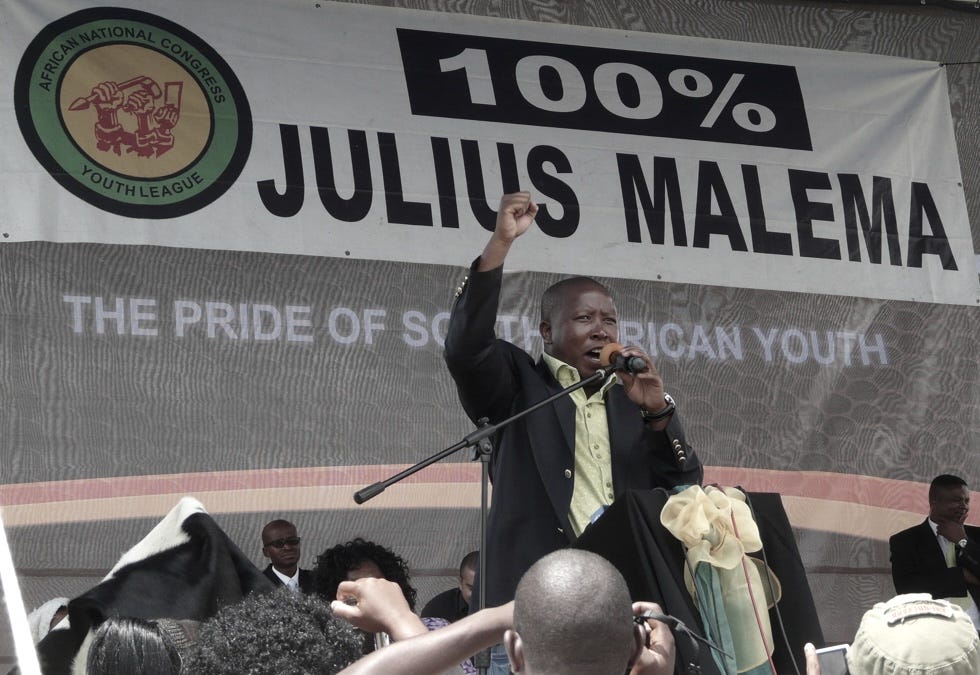
When South Africa was forced to deal with the slogan “Kill the Boer” (literally “kill the farmer”) it did so in the way South Africa deals with many thorny issues: by turning to scripture. Specifically, the Constitution of the Republic of South Africa, as interpreted by two sets of courts.
South Africa looked at evidence that the phrase was struggle rhetoric rather than actual incitement to violence. It considered how a hypothetical reasonable listener would interpret the chant, and the context in which it was used. It applied a test for hate speech constructed, from first principles, by neutral experts.
Then it had judges pronounce on the outcome.
That legalistic approach took South Africa to a place where saying “kill the farmer” does not mean “kill the farmer” because of historical context and a shared understanding that negates the literal meaning, even if not every farmer is on board with it.
In that complexity at least, the debate on “globalise the intifada” in the United Kingdom is familiar to the South African ear. Some at the receiving end might hear in it a call to “commit violence worldwide”, but those using it say they intend to convey “take Palestinian solidarity global”.
Boil it down to that, and it starts to look a lot like a dispute of fact, of the kind the slow, mechanical grind of the law is good at settling.
